


A Guide to Caring For Your EV During the Winter
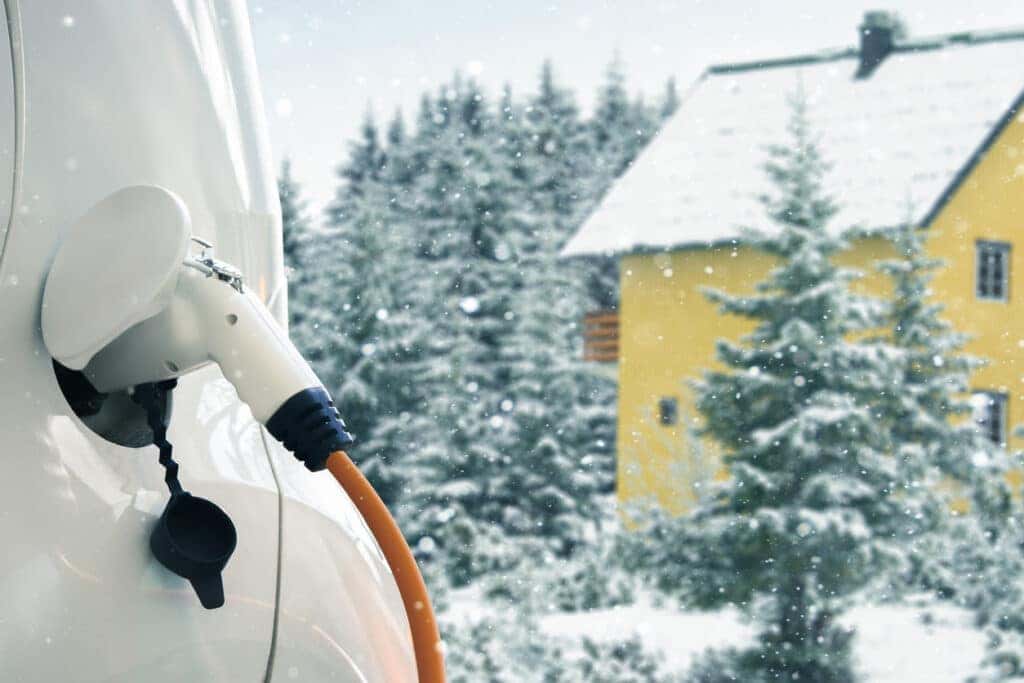
Stroudsburg is in the midst of a challenging winter, forcing us to make the usual adjustments: heaters are cranked up, sidewalk salt is spread, and cold weather clothing has taken up their seasonal residency in your wardrobe. In the meantime, perhaps you’ve noticed your new Kia EV9 isn’t humming along quite as harmoniously as it was during the summer and fall.
Considering that regular car batteries already encounter difficulties in cold weather, it’s no wonder electric vehicles need extra care during the winter season. Your EV’s range and performance might experience a slight reduction until the temperature improves, but by following these tips, you can confidently navigate the season until it transitions to spring.
Don’t Let Your Battery Dip Below 20%
During the winter, EV owners may experience a 20-30% reduction in range due to lower battery performance and increased energy consumption. This is completely normal, as the lithium ions in electric batteries tend to slow down in colder temperatures. Ultimately, EV batteries aren’t that different form the human body: they prefer warmer weather, with optimal temperatures of 59-95 degrees Fahrenheit.
It’s important to be mindful of several factors. First and foremost, monitor your battery’s charge, maintaining a charge above 20% at all times. Cold weather can have a significant impact on battery performance, so it’s wise not to take any chances by allowing the charge to drop too low. Treat your EV like your smartphone or any other important electronic device, keeping it connected to a charging source whenever it’s not in use.
Park Indoors When Possible
If you have a garage or storage unit available, park your car indoors during the winter. But if street parking is all you have at your disposal, consider starting the engine once a day instead of leaving it parked for long periods of time. If you are forced to keep your car idle for an extended stretch, make sure the battery is charged to at least 70% to prevent any potential deterioration.
It’s also important to steer clear of rapid (or DC) charging. While it may not be the most convenient option, charging at slower speeds during colder weather proves more advantageous for the battery’s well-being. Opting for Level 1 charging, known for being the slowest alternative, is actually the recommended choice when facing chilly temperatures. Additionally, if you’re operating a hybrid or plug-in vehicle such as the Kia Niro, remember to activate ECO mode for optimal efficiency.
Monitor Heat Levels
Before heading out for work or errands, it’s a good idea to preheat your electric vehicle. This helps to reduce strain on the battery by gradually warming up the temperature before you start driving. If you can, keep charging your car while heating it, so that the heater draws power from the charger rather than the battery. This way, you can maximize your daily range without draining your battery excessively.
Once you’ve warmed up your car, it’s crucial to be conscious of the heat you’re using. Instead of solely relying on the heater, give some thought to utilizing the heated seats to keep yourself warm. It’s important to remember that excessive heat can affect your car’s range. Finding a balance between your comfort and not overusing the heater is vital. Keep in mind, your car’s heater dislikes winter just as much as you do.
Remember That We’re Always Here to Help
If you’ve followed the above advice but still find your vehicle struggling against the winter’s might, visit us at Abeloff Kia today. Our Service Center is here year-round to keep you on the road throughout the seasons’ challenges. Remember that your tires also play a huge factor in extending your range – so don’t forget to equip your EV with a proper set of winter tires. We’ve got all the gear you need, along with Monroe County’s finest selection of new and used Kia vehicles, right here at Abeloff Kia.


0 comment(s) so far on A Guide to Caring For Your EV During the Winter